Real-World Physical Penetration Testing
Real-World Physical Penetration Testing
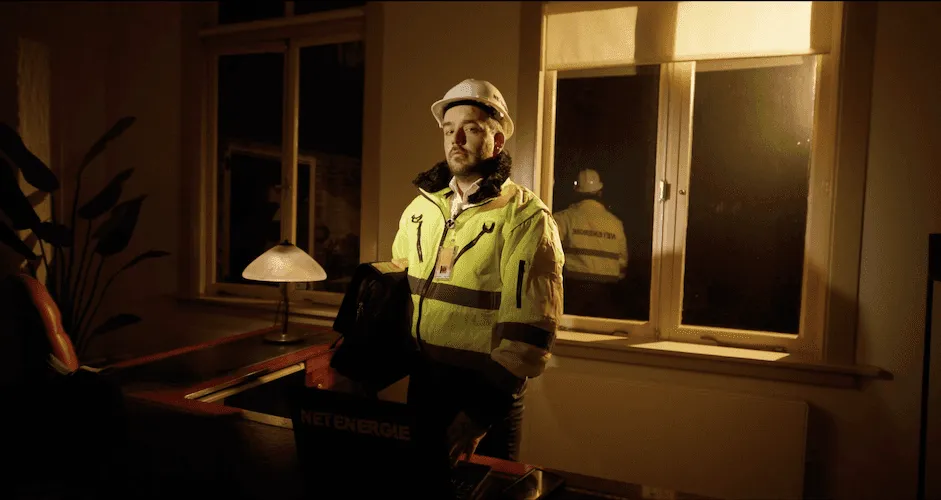
Many organizations assume their physical security is solid until someone dressed as a network engineer walks through production areas and office floors for hours without being challenged, connects test equipment to unattended systems, and leaves without anyone noticing.
We Don’t Simulate. We Actually Walk In.
We test exactly that. No theory. No role-play. Real access attempts, real observation, real evidence delivered with full transparency and zero disruption.
Preparation & Open-Source Reconnaissance We start where adversaries start: publicly available information. Using OSINT tools (Google Earth, social media analysis, public video content, supplier pages), we reconstruct layouts, processes, visible workstations and entry points all without touching any internal system.
Realistic Pretext & Entry Attempt With a credible pretext (e.g., electrical/network maintenance engineer) and minimal tools, we attempt physical entry. No forced locks, no destructive methods only techniques that real-world actors commonly use.
On-Site Execution & Observation Once inside, we move freely through production, office and reception areas sometimes for hours. We test:
Procedure adherence (are strangers challenged?)
Tailgating opportunities
Unattended workstations & USB connectivity
Physical segmentation & access paths Everything is documented live via bodycam (full timeline, photos, video) fully GDPR-compliant (faces blurred).
Evidence & Structured Analysis Findings are time-stamped and cross-referenced in a chronological evidence table. We score risks quantitatively (likelihood × impact, 1–10 scale) and map them to frameworks (NIST CSF, IEC 62443, ISO 27001). Positive observations are explicitly highlighted because maturity improvement starts with what already works.
Outcome-Focused Reporting No 100-page theoretical report. Instead:
Concise executive summary
Chronological bodycam evidence timeline
Prioritized, outcome-driven recommendations
Phased roadmap (0–3 / 3–6 / 6+ months)
Measurable KPIs and maturity target (e.g., NIST Tier 2 → Tier 3)
No more assumptions:you see exactly where procedures, awareness and physical controls fail in practice
Manageable risk exposure physical access is often the fastest path to OT/IT compromise
Fast, high-impact remediation many findings can be addressed with simple measures (challenge protocols, logging, awareness)
Board & insurance confidence objective “trust but verify” evidence
Compliance alignment NIS2, ISO 27001 and OT-security requirements increasingly overlap with physical controls
Ready to know what really happens when someone walks in? We have conducted these tests for years with organizations that take physical resilience seriously. No demos. No simulations. Real attempts, real footage, real insights.
Contact us for a short scoping call. We discuss realistic boundaries, Rules of Engagement and expected outcomes within your context.
We Don’t Simulate. We Actually Walk In.
We test exactly that. No theory. No role-play. Real access attempts, real observation, real evidence delivered with full transparency and zero disruption.
Preparation & Open-Source Reconnaissance We start where adversaries start: publicly available information. Using OSINT tools (Google Earth, social media analysis, public video content, supplier pages), we reconstruct layouts, processes, visible workstations and entry points all without touching any internal system.
Realistic Pretext & Entry Attempt With a credible pretext (e.g., electrical/network maintenance engineer) and minimal tools, we attempt physical entry. No forced locks, no destructive methods only techniques that real-world actors commonly use.
On-Site Execution & Observation Once inside, we move freely through production, office and reception areas sometimes for hours. We test:
Procedure adherence (are strangers challenged?)
Tailgating opportunities
Unattended workstations & USB connectivity
Physical segmentation & access paths Everything is documented live via bodycam (full timeline, photos, video) fully GDPR-compliant (faces blurred).
Evidence & Structured Analysis Findings are time-stamped and cross-referenced in a chronological evidence table. We score risks quantitatively (likelihood × impact, 1–10 scale) and map them to frameworks (NIST CSF, IEC 62443, ISO 27001). Positive observations are explicitly highlighted because maturity improvement starts with what already works.
Outcome-Focused Reporting No 100-page theoretical report. Instead:
Concise executive summary
Chronological bodycam evidence timeline
Prioritized, outcome-driven recommendations
Phased roadmap (0–3 / 3–6 / 6+ months)
Measurable KPIs and maturity target (e.g., NIST Tier 2 → Tier 3)
No more assumptions:you see exactly where procedures, awareness and physical controls fail in practice
Manageable risk exposure physical access is often the fastest path to OT/IT compromise
Fast, high-impact remediation many findings can be addressed with simple measures (challenge protocols, logging, awareness)
Board & insurance confidence objective “trust but verify” evidence
Compliance alignment NIS2, ISO 27001 and OT-security requirements increasingly overlap with physical controls
Ready to know what really happens when someone walks in? We have conducted these tests for years with organizations that take physical resilience seriously. No demos. No simulations. Real attempts, real footage, real insights.
Contact us for a short scoping call. We discuss realistic boundaries, Rules of Engagement and expected outcomes within your context.

What This Delivers for Your Organization
Objective “trust but verify” evidence
Objective “trust but verify” evidence
Objective “trust but verify” evidence
Onafhankelijke advisering in de praktijk
Onafhankelijke advisering in de praktijk





Je volgende stap
E-mailadres
Telefoon:
Je volgende stap
E-mailadres
Telefoon:
Je volgende stap
E-mailadres
Telefoon: