2025 European Threat Landscape Report
2025 European Threat Landscape Report
Key Insights for Proactive Defense. As a senior cybersecurity consultant, I’ve reviewed CrowdStrike’s 2025 European Threat Landscape Report.
Risks and Impact
The 2025 European Threat Landscape Report, informed by CrowdStrike’s Counter Adversary Operations, analyzes real-world telemetry and intelligence to map threats across the region. Europe accounts for nearly 22% of global ransomware and extortion victims on dedicated leak sites (DLSs), second only to North America. Since January 2024, over 2,100 European entities have been named on more than 100 DLSs, with the UK, Germany, Italy, France, and Spain most affected. Key sectors include manufacturing, professional services, technology, industrials, engineering, and retail. Geopolitical factors, such as the Ukraine conflict and Middle East tensions, amplify nation-state and hacktivist activities, while eCrime ecosystems thrive on marketplaces like BreachForums and Telegram.
This analysis distills frontline intelligence on evolving threats, providing actionable context for organizations to anticipate risks and strengthen resilience. Europe faces intensified eCrime, nation-state espionage, and hacktivism—let’s break it down with a focus on business impact and practical next steps.
eCrime Proliferation: Big Game Hunting (BGH) operations are rampant, fueled by lucrative targets (Europe hosts five of the world’s top 10 most valuable companies). Adversaries leverage voice phishing, fake CAPTCHA lures (over 1,000 incidents in 2024-2025), and GDPR noncompliance threats to extort victims. Impact: Operational disruptions, financial losses, and reputational damage, with ransom demands tied to revenue.
Nation-State Intensification: Russia-nexus actors target government and infrastructure for intelligence and disruption; North Korea focuses on cryptocurrency theft and sanctions evasion; China prioritizes edge devices and cloud for espionage in healthcare and biotech; Iran masquerades as hacktivists for hack-and-leak operations. Impact: Strategic intelligence leaks, supply chain compromises, and potential destructive attacks amid conflicts.
Hacktivism Surge: Pro-Iran groups escalate amid Middle East kinetics, blending activism with state-sponsored espionage. Impact: Data breaches, psychological pressure, and broader instability.
Overall, adversaries are 48% faster in ransomware deployment (average 24 hours), increasing dwell time risks and compliance challenges under NIS2 and GDPR.
To mitigate these threats, adopt a layered, intelligence-led approach aligned with NIST CSF and ISO 27001:2022. Start with a risk assessment to map your exposure, prioritizing high-value assets in targeted sectors. Implement EDR/XDR platforms like CrowdStrike Falcon for real-time detection and response, integrating threat intelligence to anticipate tactics like phishing lures. Enhance governance with policy reviews for GDPR compliance and multi-factor authentication (MFA) across hybrid environments. For OT/ICS systems, segment networks and apply NIST SP 800-82 guidelines. Next steps: Conduct a maturity assessment, deploy automated threat hunting, and establish incident response playbooks. Measure success with KPIs such as mean time to detect (MTTD) and remediate (MTTR), aiming for reductions of 50% or more. Security is a business enabler—focus on resilience to turn risks into manageable opportunities.
Risks and Impact
The 2025 European Threat Landscape Report, informed by CrowdStrike’s Counter Adversary Operations, analyzes real-world telemetry and intelligence to map threats across the region. Europe accounts for nearly 22% of global ransomware and extortion victims on dedicated leak sites (DLSs), second only to North America. Since January 2024, over 2,100 European entities have been named on more than 100 DLSs, with the UK, Germany, Italy, France, and Spain most affected. Key sectors include manufacturing, professional services, technology, industrials, engineering, and retail. Geopolitical factors, such as the Ukraine conflict and Middle East tensions, amplify nation-state and hacktivist activities, while eCrime ecosystems thrive on marketplaces like BreachForums and Telegram.
This analysis distills frontline intelligence on evolving threats, providing actionable context for organizations to anticipate risks and strengthen resilience. Europe faces intensified eCrime, nation-state espionage, and hacktivism—let’s break it down with a focus on business impact and practical next steps.
eCrime Proliferation: Big Game Hunting (BGH) operations are rampant, fueled by lucrative targets (Europe hosts five of the world’s top 10 most valuable companies). Adversaries leverage voice phishing, fake CAPTCHA lures (over 1,000 incidents in 2024-2025), and GDPR noncompliance threats to extort victims. Impact: Operational disruptions, financial losses, and reputational damage, with ransom demands tied to revenue.
Nation-State Intensification: Russia-nexus actors target government and infrastructure for intelligence and disruption; North Korea focuses on cryptocurrency theft and sanctions evasion; China prioritizes edge devices and cloud for espionage in healthcare and biotech; Iran masquerades as hacktivists for hack-and-leak operations. Impact: Strategic intelligence leaks, supply chain compromises, and potential destructive attacks amid conflicts.
Hacktivism Surge: Pro-Iran groups escalate amid Middle East kinetics, blending activism with state-sponsored espionage. Impact: Data breaches, psychological pressure, and broader instability.
Overall, adversaries are 48% faster in ransomware deployment (average 24 hours), increasing dwell time risks and compliance challenges under NIS2 and GDPR.
To mitigate these threats, adopt a layered, intelligence-led approach aligned with NIST CSF and ISO 27001:2022. Start with a risk assessment to map your exposure, prioritizing high-value assets in targeted sectors. Implement EDR/XDR platforms like CrowdStrike Falcon for real-time detection and response, integrating threat intelligence to anticipate tactics like phishing lures. Enhance governance with policy reviews for GDPR compliance and multi-factor authentication (MFA) across hybrid environments. For OT/ICS systems, segment networks and apply NIST SP 800-82 guidelines. Next steps: Conduct a maturity assessment, deploy automated threat hunting, and establish incident response playbooks. Measure success with KPIs such as mean time to detect (MTTD) and remediate (MTTR), aiming for reductions of 50% or more. Security is a business enabler—focus on resilience to turn risks into manageable opportunities.
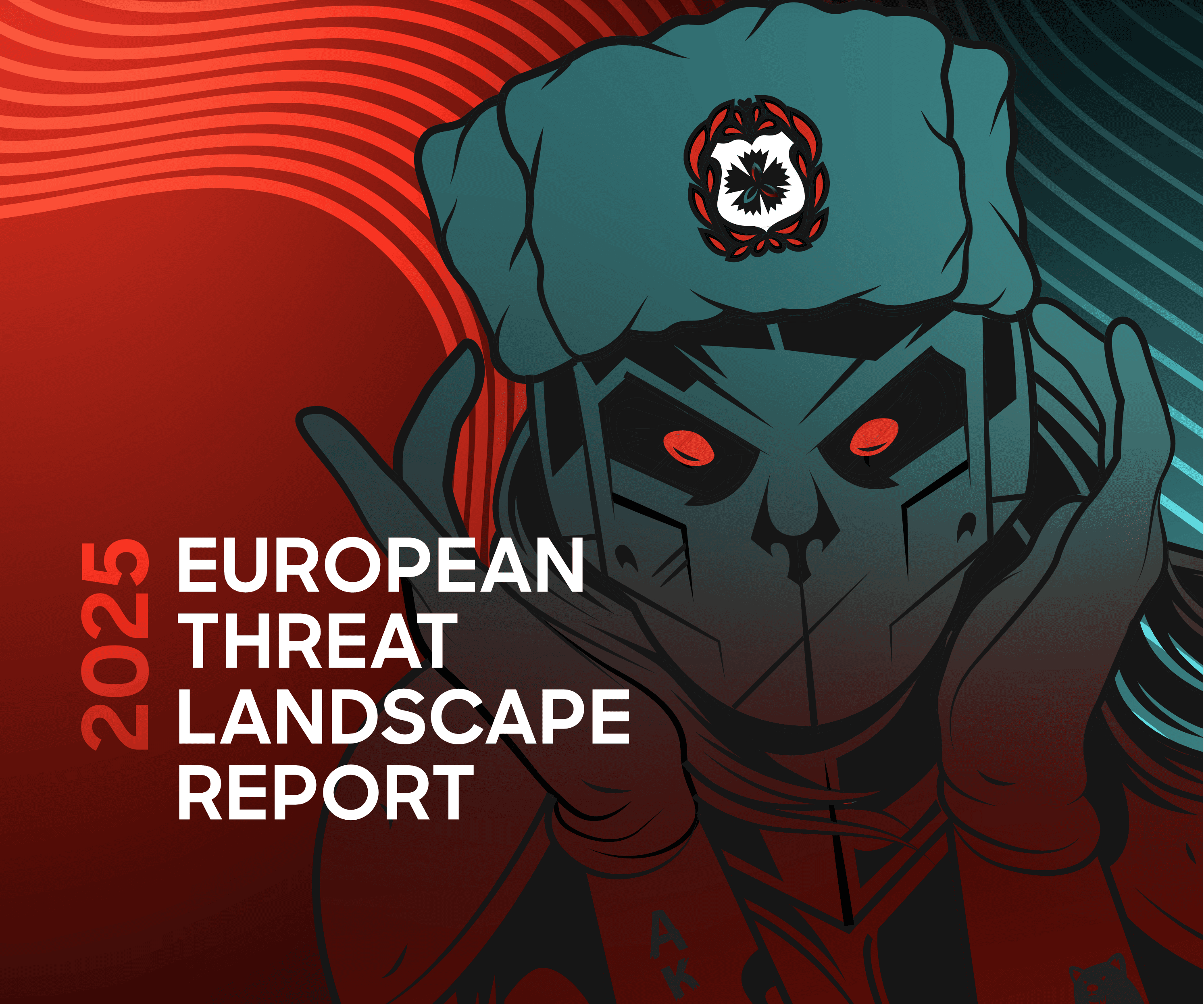

2025 European Threat Landscape Report
Key Insights for Proactive Defense
Key Insights for Proactive Defense
Key Insights for Proactive Defense
Onafhankelijke advisering in de praktijk
Onafhankelijke advisering in de praktijk





Je volgende stap
E-mailadres
Telefoon:
Je volgende stap
E-mailadres
Telefoon:
Je volgende stap
E-mailadres
Telefoon: